WELCOME
I ask questions about space.
As an architect, designer, and researcher, I am interested in how cities, infrastructures, and landscapes emerge through social, material, and spatial relationships. I think spatially, design conceptually, and research relationally.
This website documents a long-term exploration of how movement shapes the world around us—and how the spaces we build, inhabit, and imagine shape us in return.
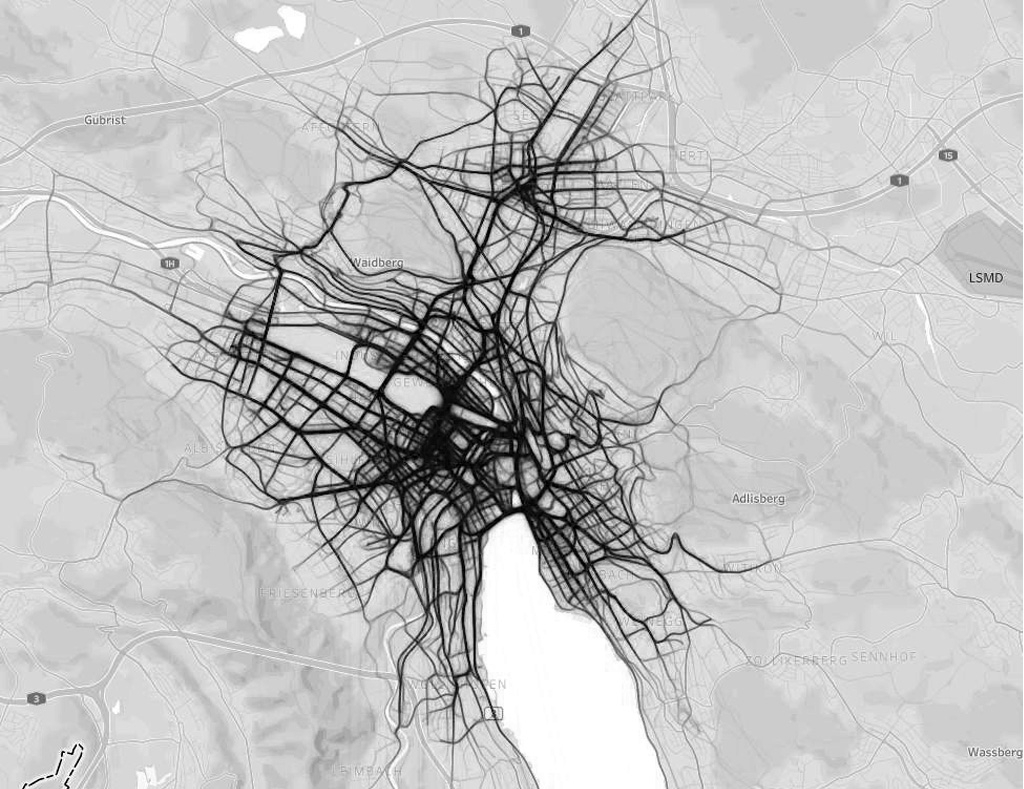
I am interested in movement.
Not only how people move, but how movement produces space, relationships, and ways of living.
Through architecture, design, and research, I explore the connections between mobility, people, and everyday environments.
This website is a collection of projects, ideas, and ongoing investigations.
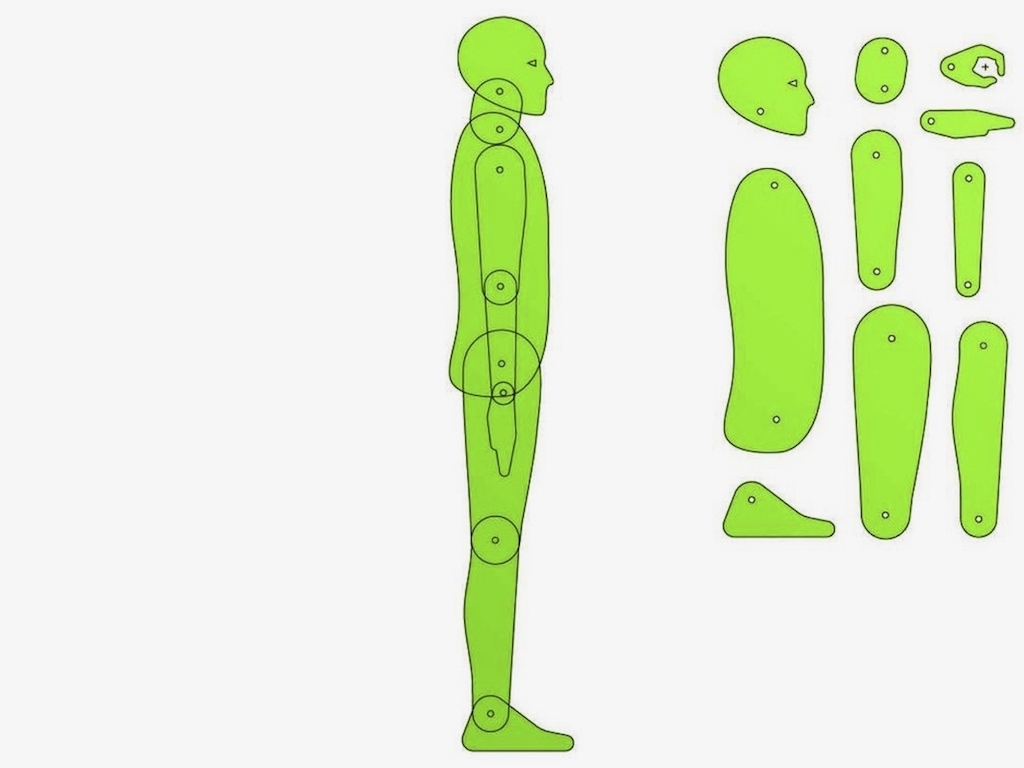
I work across architecture, urban research, and design.
My projects explore how movement shapes space, how objects become environments, and how everyday life leaves traces in cities, landscapes, and infrastructures. I move between domestic spaces, cities, and territories, connecting different scales of observation.
This website brings together research, design work, and ongoing questions. Some projects are built, some remain speculative, and some are still unfolding.
I explore the hidden spatial patterns that shape human behaviour, revealed through movement.


DESIGN RECOGNITION AND CORRESPONDENCE

VISUAL EVIDENCE: ORBITA (2008) vs TONALE (2019)

Above: My sketch, Alfa Romeo ORBITA Concept, 2008
Below: Alfa Romeo TONALE Concept, 2019
STATEMENT ON DESIGN AUTHORSHIP AND SUBSTANTIAL SIMILARITY
The Alfa Romeo Orbita Concept was developed as my master's degree project in Car & Transportation Design at Scuola Politecnica di Design in Milan during the 2007–2008 academic year, in collaboration with Alfa Romeo.
The Alfa Romeo Tonale Concept, presented in 2019, demonstrates clear and substantial similarities to my earlier work.
While differences in overall volume and proportions exist, the Tonale Concept appears to reproduce a number of distinctive and defining design features of the Orbita project. Most notably, the front lighting architecture—characterized by a horizontal, multi-segmented structure—corresponds closely in both form and intent. Additionally, the integration of the lighting elements with the central grille, as well as the treatment of the front surface volumes, reflect highly comparable and specific design solutions.
Given the academic collaboration context, my project was directly accessible to individuals involved in Alfa Romeo’s design activities at the time.
The similarities observed go beyond general brand language or coincidental resemblance and point to a significant overlap in identifiable design elements. These correspondences are presented through detailed visual comparisons, including a clear 2008 vs 2019 timeline and close-up analyses highlighting the front lighting signature.
In addition to the front design, the rear lighting architecture further reinforces this similarity. The Orbita project introduced a distinctive horizontal rear light signature composed of segmented, repeating light elements. A closely comparable modular structure and visual rhythm can be observed in the Tonale Concept, suggesting a continuation of the same underlying design approach rather than an independent interpretation.
Taken together, the front and rear lighting systems establish a coherent and identifiable design language, strengthening the argument that the similarities extend beyond isolated elements and reflect a broader overlap in design intent and execution.
This statement is made to formally establish the authorship, timeline, and originality of the Orbita project, and to assert my professional position regarding these similarities.
I expect this matter to be addressed with the seriousness it deserves and remain open to a fair and constructive resolution, including appropriate recognition.
This website has been publicly accessible since 2008 and serves as a documented and time-stamped record of my work.
ON DESIGN CHARACTER AND VISUAL IDENTITY
Character is a defining element in automotive design. It is not limited to individual components, but emerges from the coherent relationship between proportions, surfaces, and signature elements such as lighting. It is this character that makes a design recognizable and attributable.
In the case of the Orbita project, this character was established through a specific combination of front and rear lighting architecture, surface tension, and proportional balance. These elements were not incidental, but intentionally developed as a unified design language.
When comparing this with the Alfa Romeo Tonale Concept, the similarities extend beyond isolated features. The overall impression—how the vehicle “looks” and “reads” at first glance—reflects a closely related character. This includes the expression created by the lighting signatures, their integration with the body, and the resulting visual identity.
From a professional design perspective, such a level of similarity in character is not easily explained by coincidence or general brand alignment alone. It suggests a strong conceptual proximity in both design thinking and execution.
For this reason, the relationship between the two projects should be evaluated not only through individual elements, but through their overall character and design intent. This is where the strongest correspondence can be observed.
This statement aims to highlight that the Tonale Concept reflects key aspects of the character and visual identity originally developed in the Orbita project, and that this relationship deserves clear acknowledgment.
ON THE VEHICLE’S VISUAL IMPACT AND FIRST IMPRESSION
In automotive design, the “look” of a car is fundamental—it represents the vehicle’s first and most direct communication with the customer. This visual connection is primarily established through the design of the front lighting system, which sets the tone for the entire vehicle’s identity.
Having over 30 years of professional experience in car design, I can assert with confidence that the Tonale Concept’s front “look” is directly built upon the foundation established by the Orbita project.
Below is a detailed comparison highlighting the overlap in design elements, with particular focus on the lighting architecture that creates the car’s primary visual identity. Beyond the front lighting, there are several additional design features in the Tonale Concept that correspond closely to my original work—features that are clearly recognizable to any professional within the field.
This matter is not only about protecting my creative contribution but also about defending my professional reputation and intellectual property rights within the automotive industry. I intend to pursue this issue diligently until proper recognition and fairness are achieved.
ON DESIGN IDENTITY AND BRAND LANGUAGE
The Orbita project represents more than just a vehicle design; it embodies a unique design identity crafted by an architect and car designer, reflecting authentic creativity and innovation ahead of its time.
While the Tonale Concept presents a different volume, it clearly retains the core design characteristics that define the Orbita project’s identity. These include the original creative concept, distinct design value, and crucially, the brand identity that the project aimed to express.
Notably, the front lighting design—serving as the defining feature of the car’s character—is strikingly similar between the two designs. This signature element contributes significantly to the vehicle’s overall identity and brand language.
It is important to note that Alessandro Maccolini, a team member involved in the Tonale project, was familiar with my master’s project, Orbita, due to his collaboration with Alfa Romeo during my academic tenure.
Given these facts, the similarities cannot be reasonably attributed to coincidence or independent development, but rather point to a substantial overlap in design authorship and intent.
This statement serves to assert the originality of the Orbita project and to seek proper recognition for its contribution to the design language now reflected in the Tonale Concept.
ON EXPECTATIONS FOR FAIR RECOGNITION AND LEGAL DETERMINATION
Given the clear and substantial similarities between the Orbita project and the Alfa Romeo Tonale Concept, I firmly assert my right to fair recognition as the original designer of key design elements reflected in the Tonale.
This situation not only impacts my personal and professional reputation but also raises broader ethical concerns regarding transparency and accountability within the automotive industry, especially towards the design community and the wider public, including the Italian audience who hold Alfa Romeo as a national icon.
I am committed to pursuing this matter with full legal determination to ensure that intellectual property rights are respected and that appropriate remedies—whether through recognition, compensation, or other legal means—are duly considered.
My intention is to achieve a fair and constructive resolution that honors the original creative work and reinforces respect for design integrity within the industry.
ON WITNESSES AND IMMEDIATE OBSERVATION
When I first saw the Alfa Romeo Tonale in person at the Geneva Motor Show in 2019, I immediately recognized that key design elements of my Orbita project had been reproduced. Then, I returned to Milan as a design educator, conducting a car design workshop at Scuola Politecnica Di Design. Upon seeing the Tonale, my students’ first reaction was: “Professor, your project has been copied.” Both they and my colleagues independently confirmed the clear overlap. These observations, made in real time by multiple credible witnesses, underscore the public and undeniable nature of the design similarity.
This process will continue with steadfast legal and professional resolve until fairness is acknowledged.
DISCOVER MORE
Learn more about my project, Alfa Romeo Orbita, from the menu on the side.
Copyright © all rights reserved by Engin Tulay. Unauthorized use is a violation of applicable laws.
VISUAL EVIDENCE: ORBITA (2008) vs TONALE (2019)

Above: Alfa Romeo TONALE Concept, 2019, Red Car
Below: My Project, Alfa Romeo ORBITA Concept, 2008, Clay Model, White Car

Above: Alfa Romeo TONALE Concept, 2019, Red Car
Below: My Project, Alfa Romeo ORBITA Concept, 2008, Clay Model, White Car

Above: Alfa Romeo TONALE Concept, 2019, Red Car
Below: My Project, Alfa Romeo ORBITA Concept, 2008, Clay Model, White Car

Above: Alfa Romeo TONALE Concept, 2019, Red Car
Below: My Project, Alfa Romeo ORBITA Concept, 2008, Clay Model, Black Model & Sketch
Copyright © all rights reserved by Engin Tulay. Unauthorized use is a violation of applicable laws.